5 Steps to Take When You Can No Longer Take Care of an Elderly Parent
Learn how to talk with your family about the need for a new caregiving arrangement.
READ FULL ARTICLE
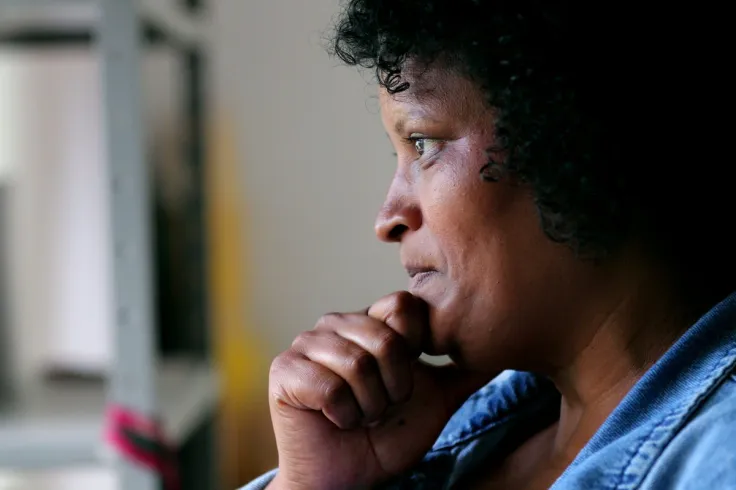
Caregiver burnout, also called caretaker burnout or caregiver burden, is a state of physical, emotional, and mental exhaustion related to the prolonged stress that can come from providing care for another person. Many caregivers find themselves burned out when they put the needs of the person they’re caring for above their own needs.
Caregiver burnout is termed “caregiver role strain” in the medical field. It’s such a serious phenomenon that it was accepted as a medical diagnosis in 1992 by NANDA International, a professional nursing organization focused on standardizing nursing terminology.1
Emotional overextension and guilt can also contribute burnout. Guilt may cause caregivers to ask themselves questions such as, “How could I take a break when my loved one needs so much?” or “Should I be doing more?”
Because family caregivers are at particular risk of burnout, it’s crucial to take time for yourself, practice self-care, and set clear boundaries and objectives. When you recharge, you can perform better as a caregiver.
Carol Bradley Bursack, a senior care expert with more than two decades of experience, encourages family caregivers to be kind to themselves and maintain realistic expectations.
“You can’t fix everything,” she warns. “Remind yourself that age takes a toll on most people. Your job is to show up, do what you can to support them, and empathize with their inevitable losses. Your presence is your gift.”
The symptoms of caregiver burnout may be subtle. Chief among them is a feeling of “drowning” from daily responsibilities. If you find yourself feeling consistently apathetic, anxious, or distressed, you may be suffering from caregiver burnout. Caretaker burnout symptoms can be divided into three main categories: physical, mental, and behavioral.
Caregiver burnout is a stress-related condition that leads to exhaustion, frustration, and reduced effectiveness. Depression is a mental health disorder that causes sadness, loss of interest, and a reduction of daily functioning, regardless of caregiving responsibilities.

Our free tool provides options, advice, and next steps based on your unique situation.
The stress of caring for a loved one can quickly transform into burnout. Caregivers can become so completely overwhelmed that they can’t care for their loved ones or themselves. Several things can cause this feeling of overwhelm.
It’s easy to blur the line between your private life and your duties as a caregiver. This is particularly difficult for those who are caring for a spouse, parent, or other relative. Some caregivers don’t seek the role and are unexpectedly forced into the work. The resulting confusion between personal and caregiving roles can lead to friction and stress.
Most caregivers take on the work willingly, hoping that their efforts will play a direct part in their loved one’s recovery. However, some care recipients face terminal diseases or conditions that only get progressively worse. Some people need specialized care beyond the scope of a family caregiver’s experience. For example, if your loved one suffers a stroke, it may be helpful to pursue transitional home care when they return from the hospital instead of trying to learn everything you can about stroke recovery on your own.
Lack of control can quickly lead to apathy and disengagement in any setting. Many caregivers lack the resources they feel are necessary to put their loved ones at ease or restore them to full health, which can lead to burnout.
In many cases, family caregivers provide for multiple people, which can increase the likelihood of burnout.
According to Bursack, “When you end up caring for the needs of more than one person — often the case for caregivers of aging parents and in-laws — the chance of burnout increases exponentially.”
Additionally, many caregivers take care of their aging parents while supporting a family of their own. These caregivers are part of the sandwich generation, a group that Bursack describes as “being squeezed between the needs of children and aging elders.”
On top of a loved one’s demands, caregivers often expect too much of themselves. When the bond between the loved one and caregiver is close, the caregiver may feel that providing care is their sole responsibility. This can lead to feeling overwhelmed.
Family caregivers often live with the people they care for and work around the clock to do everything they can to help. However, you may quickly experience caregiver burden without enough personal space and downtime.
“Everyone needs some time to just breathe. Or do something they love. Or meet with friends. That’s how we regenerate. If you have no time to do something for yourself, burnout is the result,” says Bursack.
The following risk factors may contribute to an increased likelihood of burnout:
If left unaddressed, caregiver burnout can lead to severe long-term consequences for physical and emotional health. Chronic stress from caregiving may weaken the immune system over time.3 Prolonged stress can also contribute to heart disease, high blood pressure, and diabetes.
Untreated caregiver burnout may also harm a person’s emotional health and keep them from providing effective care. This can make things worse for both you and your loved one.
Recognizing the symptoms of burnout is the first step to healing. The good news is that burnout is treatable and preventable.
Sometimes, the best way to care for someone is to tell them you can’t do it. Or at least set boundaries on what level of care you can realistically provide. Consider formalizing your caregiving arrangement. When you accept the role of caregiver, you naturally want to give it everything you have, but this often leaves nothing for you.
“Even if you can’t take extended breaks, make room each day for something that gives you pleasure,” Bursack advises. “This could mean going for a walk alone, listening to music, or buying yourself flowers. Something that feeds your soul.”
When you’re burned out, meditating may seem like the last thing you want to do. However, numerous studies have shown that mindfulness is an effective and gentle way to regulate your mood.4 These benefits are powerful when treating caregiver burnout.
Caring for a loved one is stressful for everyone involved, including siblings or other close parties. In these situations, one person often provides most of the care, taking on many responsibilities and the bulk of the stress. This can lead to friction and, in some cases, to conflict within the family. Asking for support from siblings or other loved ones can be difficult, but it may also result in some much-needed help that can reduce your stress.
Even those closest to you may not understand what you go through as a caregiver, but fellow caregivers do. Bursack recommends joining one or more caregiver support groups.
Caregiver support groups are available both in person and online. Online communities and forums enable busy caregivers to connect with one another quickly and easily.

Our advisors help 300,000 families each year find the right senior care for their loved ones.
Respite care is part-time care that may provide the occasional break you need to recuperate and continue providing quality care to your loved one. Respite can come in many forms, including adult day care, in-home care, and temporary stays in senior living.
For more robust and consistent support, you may want to explore using in-home help on a regular basis or moving your loved one to a senior living community. Additional help should reduce your responsibilities and stress levels. It can also help you enjoy more quality time with your loved one.
If you’re caring for a loved one who has dementia or who may be exhibiting early cognitive symptoms, extra support will be critical to preventing burnout. Both in-home dementia care and specialized memory care communities can be valuable sources of short-term respite and long-term care.
Caregiver burnout is a serious condition. However, there are plenty of resources available and organizations that aim to assist caretakers.
If you’re exploring other care options for your loved one, whether through a home care agency, assisted living community, or memory care community, A Place for Mom is here to help. Our Senior Living Advisors can answer your questions, connect you with care providers in your area, schedule tours, and more — all at no cost to you.
Learn how to talk with your family about the need for a new caregiving arrangement.
READ FULL ARTICLE
Feeling guilty about moving your parent to senior living? Here’s how to ease the guilt — and feel confident in the choice.
READ FULL ARTICLEBurns, C., Archbold, P., Stewart, B., & Shelton, K. (1993, April). New diagnosis: caregiver role strain. International Journal of Nursing Terminologies and Classifications.
Van Den Kieboom, R., Snaphaan, L., Mark, R., & Bongers, I. (2020, September 29). The trajectory of caregiver burden and risk factors in dementia progression: A systematic review. Journal of Alzheimer’s Disease.
Roth, D. L., Sheehan, O. C., Haley, W. E., Jenny, N. S., Cushman, M., & Walston, J. D. (2019, March 10). Is family caregiving associated with inflammation or compromised immunity? A meta-analysis. The Gerontologist.
Díaz-Rodríguez, L., Vargas-Román, K., Sanchez-Garcia, J. C., Rodríguez-Blanque, R., La Fuente, G. a. C., & De La Fuente-Solana, E. I. (2021, January 13). Effects of meditation on mental health and cardiovascular balance in caregivers. International Journal of Environmental Research and Public Health.
Recovery from caregiver burnout varies based on the individual, the severity of burnout, their support system, and the nature of the care they provide. With rest, clear boundaries, and self-care, many caregivers begin recovering in weeks, though full recovery can take longer.
To recover from caregiver burnout:
Caregiver burnout may feel like exhaustion, hopelessness, irritability, or disconnection. It may also cause physical symptoms such as headaches, frequent illness, or trouble sleeping.
Yes, caregiving can lead to PTSD, especially after a traumatic experience. Symptoms of PTSD include flashbacks, anxiety, or emotional numbness. If you are experiencing PTSD due to caregiving, therapy and support groups can help.
Here are some steps to take if you can no longer be a caregiver to a loved one:
If you feel resentment or frustration toward your caregiving role, it’s essential to address your emotions.